WWF Wrestlers in the 90s: Top Stars and Eras

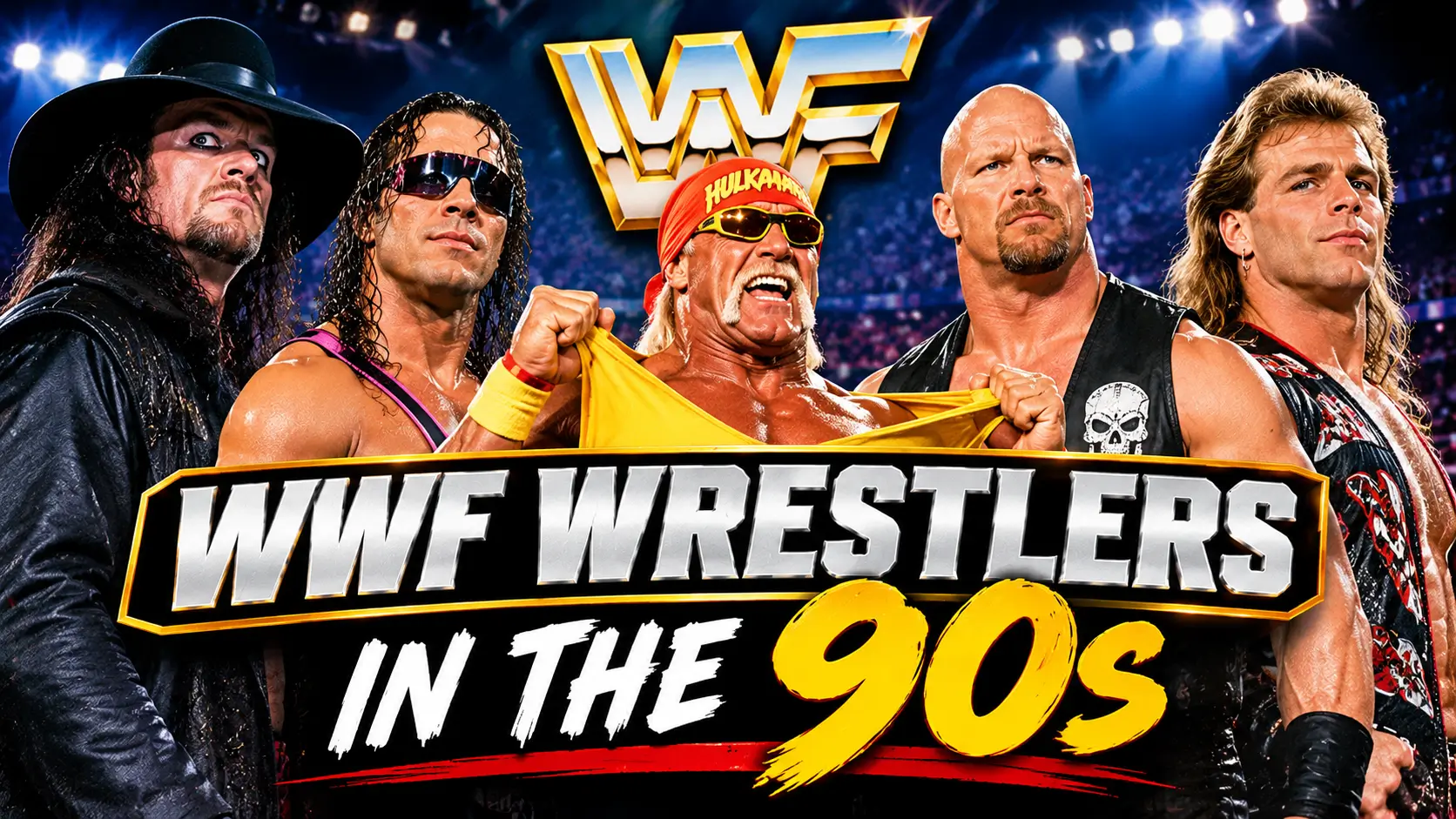
The biggest WWF wrestlers in the 90s include Stone Cold Steve Austin, Bret Hart, The Undertaker, Shawn Michaels and The Rock. Those five top most rankings we read, though there’s no official list. We’ll walk through the decade’s two eras, the stars of each and what really happened at WrestleMania XIV.
At Custom Championship Belt, we make replica style belts, so we’ll also show how fans honor these legends.
Who Were the Biggest WWF Wrestlers in the 90s?
It depends on who you ask. Bleacher Report’s 2011 ranking of the 25 greatest superstars of the decade put Stone Cold Steve Austin first, Bret Hart second and The Undertaker third. MoneyInc’s list of 20 WWE stars of the 90s ends with The Rock, which it calls the greatest WWE wrestler of the 1990s.
Both lists of WWF wrestlers in the 90s are opinions from fans and writers, so treat them as starting points. Next, let’s set the scene.
Two Eras: The Transition and the Attitude Era
The 1990s split into two very different stretches. In the early years, the company moved on from its 1980s stars. At WrestleMania VI in 1990, Hulk Hogan passed the torch to the Ultimate Warrior, who beat him for the WWF Championship, according to Bleacher Report’s history of the decade.
The later years were louder and edgier. The same history says the Montreal Screwjob at Survivor Series 1997 eventually led to the birth of the Attitude Era. Almost all of the WWF wrestlers in the 90s we list below fit into one of these two stretches.
WWF Wrestlers in the 90s: The Names Lists Agree On
We compared two lists: Bleacher Report’s top 10 from 2011 and MoneyInc’s top 20. Nine of Bleacher Report’s ten names also appear on MoneyInc’s list. The table is our own comparison, so it’s a tally of opinions, not an official ranking.
| Wrestler | Bleacher Report rank (2011) | On MoneyInc’s list of 20 |
| Stone Cold Steve Austin | 1 | Yes |
| Bret Hart | 2 | Yes |
| The Undertaker | 3 | Yes |
| Shawn Michaels | 4 | Yes |
| The Rock | 5 | Yes |
| Mick Foley | 6 | Yes |
| Diesel (Kevin Nash) | 7 | Yes |
| Yokozuna | 8 | No |
| Triple H | 9 | Yes |
| Razor Ramon (Scott Hall) | 10 | Yes |
Only Yokozuna is missing from the second list. Then again, MoneyInc doesn’t number its entries, so we can’t compare exact ranks. Now, let’s meet the early stars.
Early 90s WWF Wrestlers Who Carried the Company
The first group of WWF wrestlers in the 90s had to follow the 1980s boom, and they did it with very different styles.
Hulk Hogan and the Ultimate Warrior
Hogan was the face of the 1980s, and Warrior took the title from him in 1990. Warrior left after a contract dispute with Vince McMahon in 1991, returned briefly in 1992 and left again in 1996, per Bleacher Report.
The Undertaker
The Undertaker debuted at Survivor Series in 1990. By 1991, he’d beaten Hogan for the WWF Title, less than a year after that debut. Sportskeeda says his unusual gimmick stood out from the normal, athletic characters of the time.
Bret Hart and Shawn Michaels
Bleacher Report ranked Hart second and Michaels fourth among the decade’s best. Michaels lost the main event of WrestleMania XIV, and WWE’s own facts page notes that many believed it was his last match in WWE. He returned four years later.
Diesel, Razor Ramon and Yokozuna
These three ranked seventh, tenth and eighth on Bleacher Report’s list. MoneyInc adds that Kevin Nash won the WWF Triple Crown. Together they show how deep the roster was before the Attitude Era began.
What Happened at WrestleMania XIV?
It was the night the decade turned. WWE’s results page lists it on March 29, 1998, at the FleetCenter in Boston. Stone Cold Steve Austin beat Shawn Michaels for the WWE Championship, with Mike Tyson as special ring enforcer.WWE’s facts page adds that referee Mike Chioda was knocked out, Tyson counted the pinfall and Austin became champion. Bleacher Report’s decade history describes the moment as Michaels passing the torch to Austin.
It wasn’t only the main event. According to the official results, The Rock won the Intercontinental Championship by reverse decision over Ken Shamrock. Cactus Jack and Terry Funk won the World Tag Team Championship in a dumpster match, and Triple H retained the European Championship against Owen Hart. The Undertaker beat Kane in their first meeting. Let’s look at the stars of that era.
Attitude Era Stars Who Ruled the Late 90s
The second group of WWF wrestlers in the 90s was louder, angrier and far more willing to break the rules.
Stone Cold Steve Austin
Bleacher Report ranked him first. He became champion at WrestleMania XIV, which makes him the face of the Attitude Era for most fans.
The Rock
The Rock was already a champion by WrestleMania XIV. WWE’s facts page says he first used the catchphrase “if you smell what The Rock is cooking” there, in an interview with Gennifer Flowers.
Mick Foley
MoneyInc notes that Foley rose to prominence through three personas. At WrestleMania XIV, he and Terry Funk won tag titles as Cactus Jack and Chainsaw Charlie.
Triple H and DX
Triple H retained the European Championship at WrestleMania XIV. WWE says a public DX workout in Boston the day before drew over 15,000 fans.
The Undertaker and Kane
Their first match took place at WrestleMania XIV, and The Undertaker won. It started a story that fans still talk about.
How Did Raw and the Monday Night Wars Change the WWF?
Monday Night Raw debuted on January 11, 1993, and Bleacher Report says it became the company’s flagship show. From 1994 to 1999, Raw aired live one week out of two.
Raw gave WWF wrestlers in the 90s a weekly stage. Later in the decade, it went head to head with WCW’s Nitro in what fans call the Monday Night Wars. Bleacher Report says the WWF won and left WCW near bankruptcy. McMahon bought WCW in 2001, which falls just outside the decade.
Women of the WWF in the 90s
The women’s division had a rougher decade than most WWF wrestlers in the 90s. Bleacher Report says it was deactivated in 1990, and Alundra Blayze reactivated it in 1993. It was deactivated again in 1995 for three years, and Sunny arrived that year as the first modern Diva. The division returned for good in 1998, along with the Diva concept.
Why Do Lists of WWF Wrestlers in the 90s Disagree?
Lists of WWF wrestlers in the 90s differ because writers use different tests. Some weigh title reigns, some weigh drawing power and some weigh fan memory. Dates matter too. Bleacher Report’s list is from 2011, and MoneyInc’s was published in 2017 and updated in 2020.
So check three things before you trust a ranking: the date, the criteria and whether it counts only the WWF or other companies too. Even a trusted list of WWF wrestlers in the 90s is a view, not a fact.
Honor the Decade With a Replica Belt
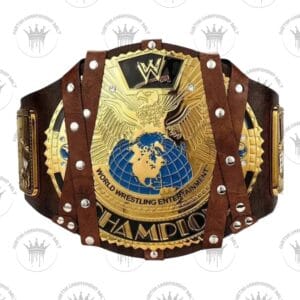
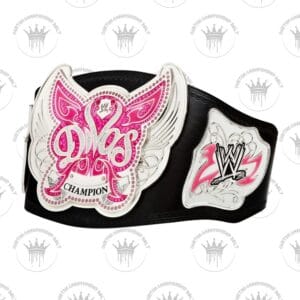
Many fans of the WWF wrestlers in the 90s want a piece of that era on their shelf. Browse our WWF championship belt replica and WWF replica pages, or check the Hulk Hogan Hulkamania championship belt, the Undertaker championship belt replica and the Attitude Era Intercontinental belt. For a closer look at the Bret Hart era, see the Bret Hart legacy championship belt. Collectors can also read about the replica WWE belts for collectors.
Custom Championship Belt isn’t affiliated with or endorsed by WWE or any wrestler named here. Names are used only to describe history.
Is It WWF or WWE?
Both are right, depending on the year. A WWE corporate release dated May 6, 2002 announced the new name, World Wrestling Entertainment. It says a UK court ruling in favor of the World Wildlife Fund restricted the company’s use of the WWF letters and logo.
That’s why this guide says WWF for the 90s. For the 90s title history, our WWE WHC belt history page is a helpful next read.
FAQ,s
Who was the most popular of the WWF wrestlers in the 90s?
Stone Cold Steve Austin is first on Bleacher Report’s 2011 list, though popularity is a matter of opinion.
What were the two main WWF eras of the 1990s?
The WWF wrestlers in the 90s worked in a transition period early on and the Attitude Era later.
What happened at WrestleMania XIV?
Stone Cold Steve Austin beat Shawn Michaels for the WWE Championship on March 29, 1998, in Boston, with Mike Tyson as special enforcer.
When did Monday Night Raw start?
January 11, 1993, according to Bleacher Report.
Why did the WWF become the WWE?
WWE’s May 6, 2002 release says a UK court ruling for the World Wildlife Fund restricted its use of the WWF letters and logo.
Is there an official list of the best WWF wrestlers in the 90s?
No. Every list we read is an opinion, so check the date and criteria.
Conclusion
The WWF wrestlers in the 90s changed wrestling twice, first with the transition after Hogan and then with the Attitude Era led by Austin and The Rock. Lists differ, but the same names keep coming back, and WrestleMania XIV remains the best single night to see the shift.
If you’d like a belt to celebrate your favorite era, visit Custom Championship Belt and see what we can build for you.