Zinc Alloy Vs Metal Plate Championship Belt Guide

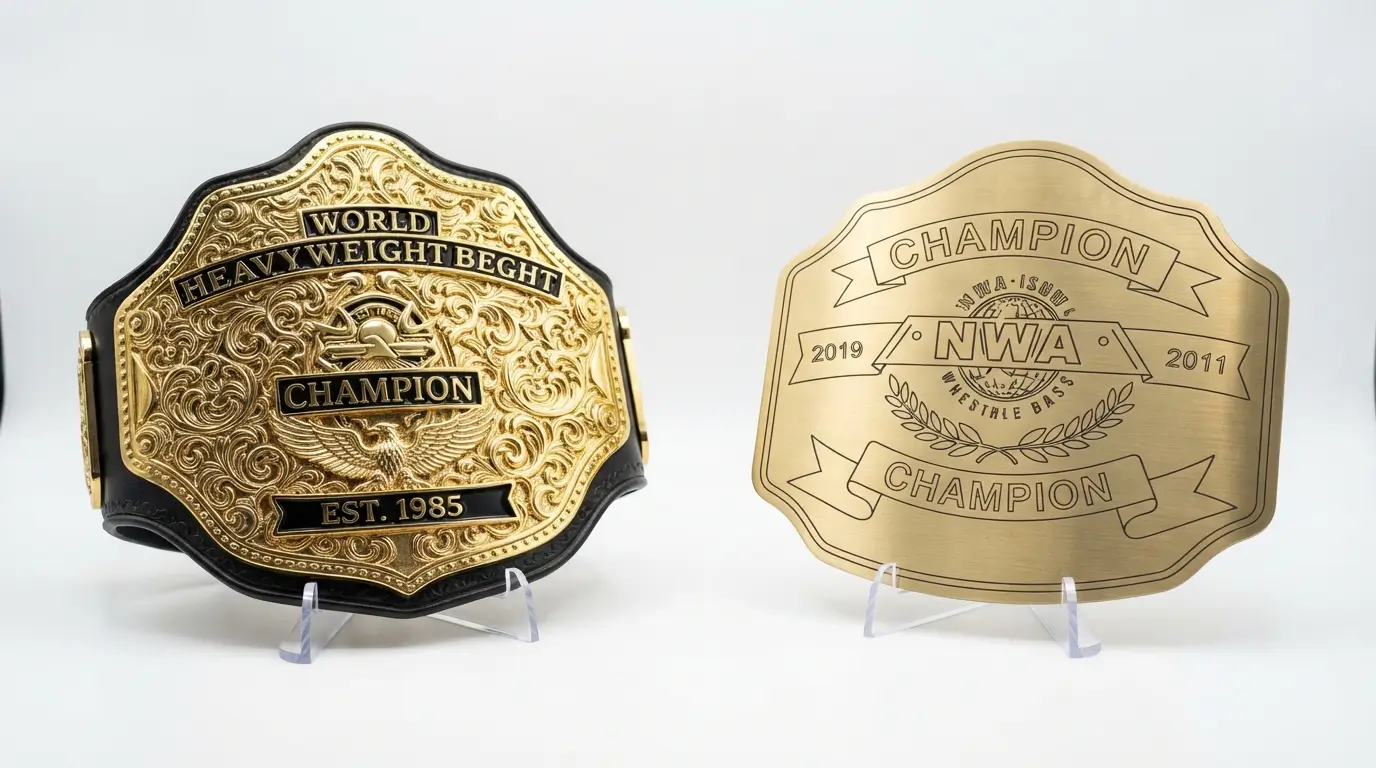
Somebody asked me last week whether zinc alloy or solid metal makes a better championship belt, and honestly my first answer was a question back: what are you actually going to do with it? That is the real crux of a zinc alloy vs metal plate championship belt decision.
Zinc alloy is lighter, cheaper, and captures detail better than most people expect. Solid brass or steel feels heavier in your hands and has that unmistakable substantial weight, but you pay for it, and not just in dollars.
What Zinc Alloy Plating Actually Is
Zinc alloy is not one pure metal. It is zinc blended with a bit of aluminum, copper, sometimes magnesium, then cast into the plate shape before getting a gold or silver toned finish. Jewelry makers use the same casting method, and so do a lot of detailed medals and emblems, because zinc alloy is just really good at holding fine detail. Raised lettering, tiny logo elements, sharp edges on a design. Zinc alloy handles all of that cleanly.
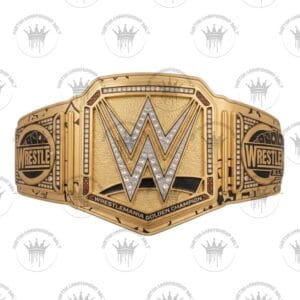
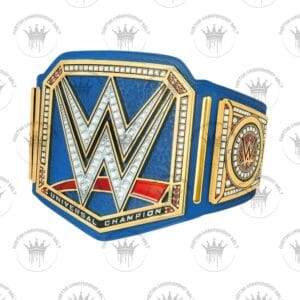
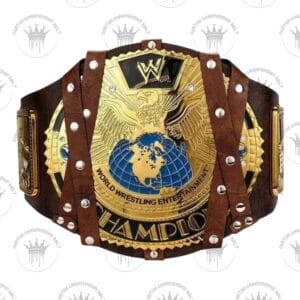
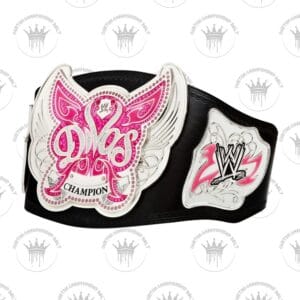
Walk through the replica belt market and you will notice most WWE style, AEW style and NJPW style belts lean on zinc alloy. That is not sellers cutting corners. It genuinely works better for this kind of casting.
What Solid Metal Plates Are
Brass or steel, usually. Raw, or plated in gold or nickel tones. These plates run thicker and heavier than zinc alloy at the same dimensions simply because the base metal carries more mass. Some collectors want exactly that weight. It feels closer to what an actual promotion belt weighs, since real title belts often do use solid metal.
The catch? Solid metal costs more to produce and takes longer to finish. Getting the same crisp raised detail that zinc alloy pulls off easily takes real extra effort in solid metal.
Zinc Alloy Vs Metal Plate: Weight Comparison
Pick up a 2mm zinc alloy belt and it feels solid without being a burden. You could wear it for hours at an event and your neck would thank you. Bump that to 4mm zinc alloy and you get noticeably more heft while it is still wearable. Solid metal, even at comparable thickness, tends to run heavier still, and on a full size center plate that difference is not subtle.
Display only? Weight barely registers. Actually wearing it for photos, cosplay, or a real match changes the calculation completely, and this is exactly where most buyers land on zinc alloy.
Detail And Finish Quality
Fine raised lettering. Small logo elements. Clean enamel recesses that hold color without bleeding. Zinc alloy casting nails all of it in a way that is genuinely hard to replicate elsewhere, which is exactly why it became the industry standard rather than some marketing trend.Solid metal can look incredible too, especially polished brass with deep engraving. But matching that same fine detail level costs more time and money to pull off right.
Durability Over Time
Both hold up fine with basic care, for what it is worth. Zinc alloy resists corrosion better than bare steel, and a good plating job keeps it looking sharp for years under normal conditions. Brass develops a natural patina if you skip regular polishing, and plenty of collectors actually like that aged look.Real damage almost never comes from the material itself. It comes from dropping the belt, rough handling, or storing it somewhere humid for too long.
Price Difference Between Zinc Alloy And Solid Metal
Zinc alloy keeps costs down because casting it is faster and the raw material is cheaper than an equivalent volume of brass or steel. That is the whole reason zinc alloy belts stay accessible while still looking genuinely premium. Solid metal costs more at every single step, and that adds up in the sticker price.
For most people, a well made zinc alloy belt at 2mm or 4mm gives them everything they actually wanted without paying extra for weight they may not even want.
So Which Should You Choose
Want something sharp looking, comfortable to wear, and reasonably priced? Zinc alloy, 2mm or 4mm depending on how much heft you want. Want maximum weight for a serious display piece and price is not the deciding factor? Solid brass or steel earns its cost. Neither choice is wrong here. It just depends what the belt is actually for.
What I Have Noticed After Building Both Types
Here is the pattern that keeps showing up. People who plan to actually wear their belt regularly almost always end up happier with zinc alloy, purely because carrying extra weight for hours gets old fast. People building a permanent display collection, rarely handling the piece directly, tend to love the extra heft of solid metal and do not mind paying more for it.
One thing worth double checking no matter which material you pick: the plate thickness listed on the page. A 2mm and a 4mm zinc alloy plate can look nearly identical in photos but feel completely different once you actually hold them. Same story comparing 2mm to 4mm in solid metal. Do not assume a heavier looking photo means a heavier product. Check the listed thickness.
Ready To Compare Real Options
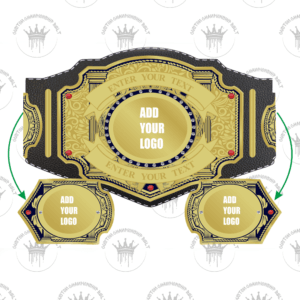
If budget is a factor while you weigh materials, start with our affordable custom championship belts to see zinc alloy options at a range of price points. If you want text or a logo engraved directly into the plate regardless of material, check out custom belts with photo engraving for examples of how fine detail actually turns out on a finished plate.
Ready to browse everything side by side? Head to the full shop to compare zinc alloy and metal plate belts across every style we build.
FAQs
Is zinc alloy cheaper than solid metal for a reason, or is it lower quality
Cheaper does not mean worse here. Zinc alloy costs less because casting it is faster and the raw material itself is less expensive. It is actually the go to material for fine detailed replica work across most major promotions, not a downgrade.
Which material is better for a belt I plan to wear often
Zinc alloy, most likely. It is noticeably lighter than solid metal at the same thickness, and that difference really shows after a few hours of wear.
Does solid metal look more authentic than zinc alloy
Depends what you mean by authentic. Solid metal brings raw weight. Zinc alloy often nails finer raised detail more sharply during casting. Both can look convincing with the right finish.
What plate thickness should I choose, 2mm or 4mm
2mm works for most people, balancing detail with comfortable weight. Go 4mm if you specifically want that heavier, more substantial feel and do not mind carrying it.
Will zinc alloy plating tarnish or rust over time
Not under normal conditions, assuming decent plating quality. Tarnishing usually traces back to prolonged humidity exposure rather than the metal breaking down on its own.
Does a heavier belt mean better quality
Not really. Weight just comes from material and thickness choices, not craftsmanship. A well finished zinc alloy belt can match a heavier solid metal one in overall quality without question.
Can I request a specific plate thickness when ordering a custom belt
Usually yes. Most custom orders let you pick between standard and thicker plating before production starts, so just confirm it directly with the seller when you place the order.